Real estate is local and that's never been more true than it is today.While national headlines can provide a snapshot of Canada's housing market, they rarely tell the full story of what's happening

Dated: May 21 2026
Views: 6
Home safety looks different today than it did even a few years ago.
Fires move faster. Smoke and poor air quality linger longer. Power outages are becoming more disruptive. And many homeowners are realizing that old ideas of “being prepared” no longer match the risks modern households face.
Prepared homes in 2026 are less about panic and more about practical response — having simple tools nearby that work quickly when stress levels rise.
Here are 10 safety essentials more homeowners are prioritizing today, and why they matter.
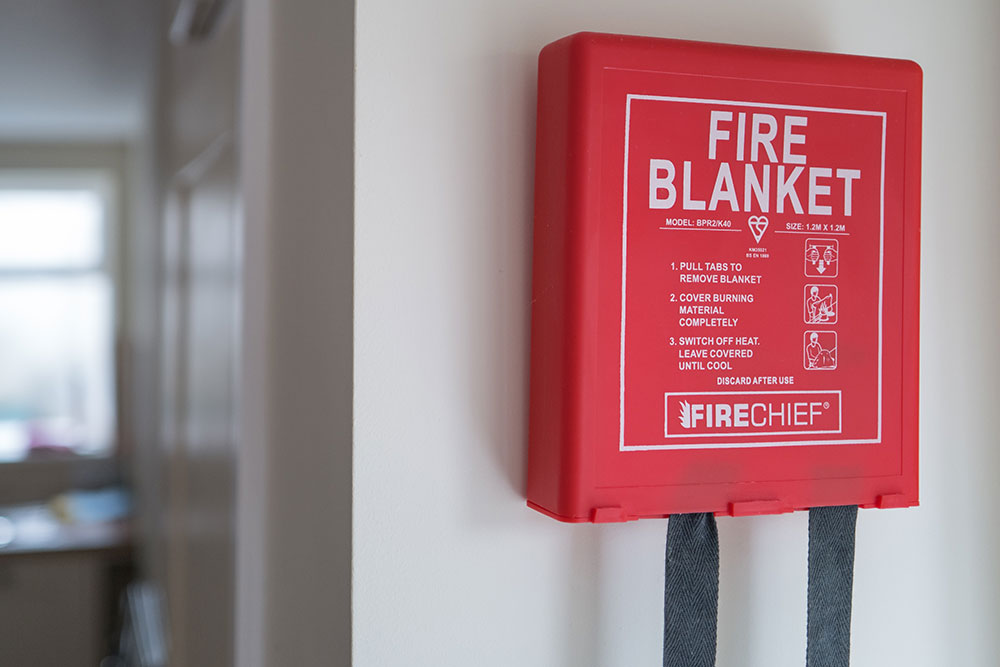
Kitchen fires continue to be one of the leading causes of residential fires.
A fire blanket gives homeowners a fast way to smother small flames before they spread. They are especially useful for grease fires or clothing fires where water can make the situation worse.
Unlike traditional extinguishers, fire blankets are simple to use and do not require pressure, aiming, or cleanup afterward.
For many households, it has become one of the easiest first-response safety tools to keep within reach.
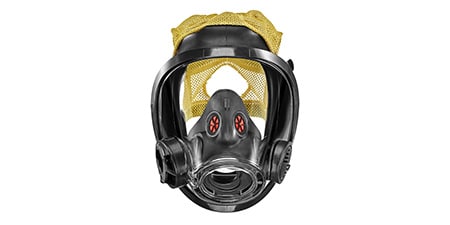
Air quality has become a growing concern inside and outside the home.
Wildfire smoke, renovation dust, chemical fumes, and airborne particles can quickly make indoor spaces uncomfortable or even unsafe. Full face respirators help protect both breathing and vision during exposure to smoke or fumes.
More preparedness-focused households are now keeping respirators accessible instead of tucked away in storage.
Respiratory protection is only effective when paired with the right filters.
Smoke, dust, organic vapors, and airborne particles all require different filtration levels. Many homeowners are now keeping backup filters available so they are not scrambling during emergencies or renovation projects.
Understanding which filters work for specific situations has become part of modern home preparedness.
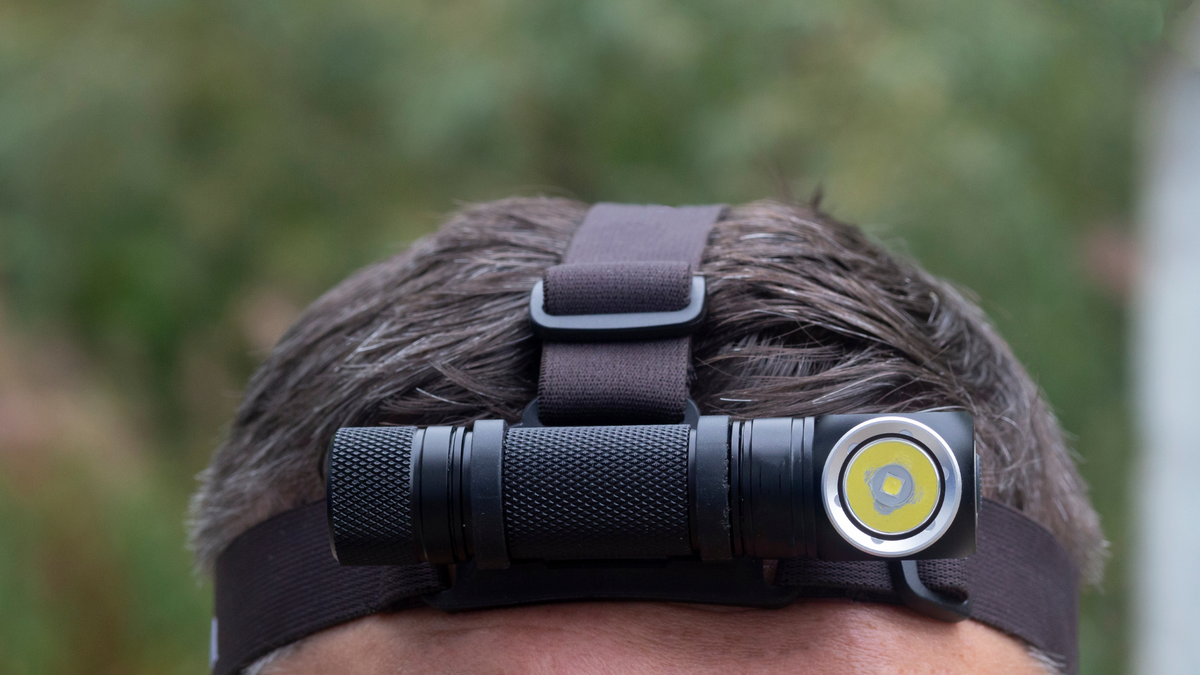
Power outages are no longer rare inconveniences in many areas.
Hands-free lighting like headlamps allows homeowners to move safely through dark spaces while keeping both hands available for important tasks.
Whether checking electrical panels, helping family members, or navigating smoke-filled rooms, reliable lighting can make a major difference during stressful situations.
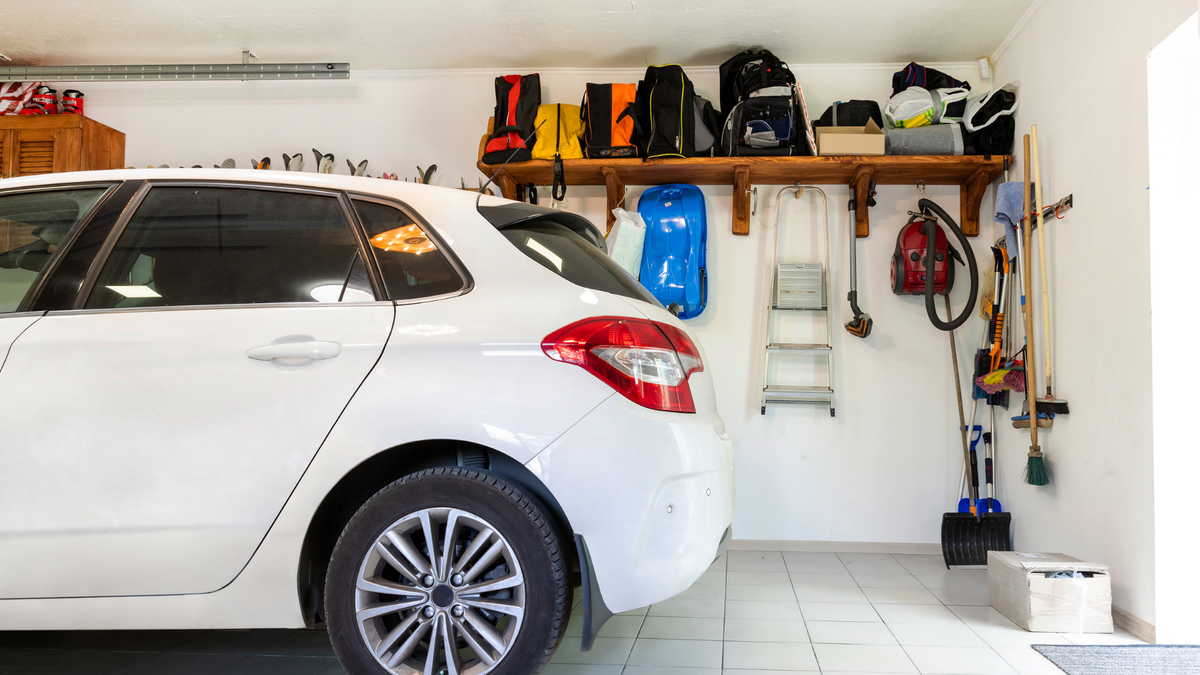
Garages and workshops often contain some of the highest fire risks in a home.
Fuel containers, solvents, paint products, batteries, and power tools all increase the chance of ignition. Keeping a fire blanket or similar fire-response tool nearby allows for faster action before flames spread.
This has become especially important as more homeowners take on DIY and home improvement projects.
Home projects often create more airborne exposure than people realize.
Sanding, painting, cutting materials, or working with resins can release fine particles and fumes that stay in the air long after the work is finished.
Many homeowners are becoming more aware of long-term exposure risks and are choosing better respiratory protection during renovation work.
Traditional emergency kits usually focus on food, water, flashlights, and first aid.
Now, more people are adding air protection to their go-bags. Compact respirators or masks with spare filters can help during evacuations involving smoke, dust, or debris.
In situations where air quality changes quickly, that added layer of protection can improve mobility and comfort.
The best emergency equipment is simple to use.
Prepared households are prioritizing tools that require minimal training and quick response. During emergencies, complicated instructions can slow people down or create hesitation.
Straightforward tools like fire blankets, easy-fit respirators, and intuitive lighting systems are becoming more popular for exactly that reason.
Smoke and chemical exposure affect more than the lungs.
Eye irritation, blurred vision, and sensory overload can quickly increase panic during emergencies. Full face protection helps reduce that stress by shielding both eyesight and breathing at the same time.
Remaining calm and functional during an emergency often depends on reducing confusion and discomfort as much as possible.
Prepared homes rarely rely on a single safety tool.
Extra lighting, spare filters, and multiple fire blankets help ensure protection is still available if one item becomes damaged, inaccessible, or already in use.
Redundancy has become a key principle in modern home preparedness because emergencies rarely unfold perfectly.
Preparedness in 2026 is less about extreme survival scenarios and more about everyday resilience.
Homeowners are focusing on:
Many safety products once considered optional are now becoming standard additions in households that want to stay ready for unexpected situations.

Jason has been selling Real Estate with RealtySource since 2006! Jason began taking his Real Estate courses while completing his B.A. in Law at Carleton University. His understanding of contract law ....
Real estate is local and that's never been more true than it is today.While national headlines can provide a snapshot of Canada's housing market, they rarely tell the full story of what's happening
There’s something about summer that makes you want to step outside, even if “outside” is a 60-square-foot balcony with a plastic chair and a dying succulent. The good news? That
For several years, buying a home in Ontario felt like a race against the clock.Homes often sold within days sometimes within hours. Buyers faced multiple offers, bidding wars, and enormous pressure
Your home's gutters may not be the most noticeable feature, but they're one of the most important parts of your home's defense against water damage.When gutters become clogged with leaves, twigs,

The listing data displayed is deemed reliable but is not guaranteed accurate by CREA®. Data last updated on September 24, 2026 10:25 AM UTC The trademarks REALTOR®, REALTORS®; and the REALTOR® logo are controlled by The Canadian Real Estate Association (CREA®) and identify real estate professionals who are members of CREA®. Used under license. The trademarks MLS®, Multiple Listing Service® and the associated logos are owned by The Canadian Real Estate Association (CREA®) and identify the quality of services provided by real estate professionals who are members of CREA®. Used under license.
Show More...
 Data provided by the Ontario Regional Technology & Information Systems. The information is deemed reliable, but is not guaranteed. Not intended to solicit buyers or sellers, landlords or tenants currently under contract.
The trademarks REALTOR®, REALTORS® and the REALTOR® logo are controlled by The Canadian Real Estate Association (CREA) and identify real estate professionals who are members of CREA. The trademarks MLS®, Multiple Listing Service® and the associated logos are owned
by CREA and identify the quality of services provided by real estate professionals who are members of CREA. Used under license.
REALTOR® contact information provided to facilitate inquiries from consumers interested in Real Estate services. Please do not contact the website owner with unsolicited commercial offers.
Show More...
Data provided by the Ontario Regional Technology & Information Systems. The information is deemed reliable, but is not guaranteed. Not intended to solicit buyers or sellers, landlords or tenants currently under contract.
The trademarks REALTOR®, REALTORS® and the REALTOR® logo are controlled by The Canadian Real Estate Association (CREA) and identify real estate professionals who are members of CREA. The trademarks MLS®, Multiple Listing Service® and the associated logos are owned
by CREA and identify the quality of services provided by real estate professionals who are members of CREA. Used under license.
REALTOR® contact information provided to facilitate inquiries from consumers interested in Real Estate services. Please do not contact the website owner with unsolicited commercial offers.
Show More...