Real estate is local and that's never been more true than it is today.While national headlines can provide a snapshot of Canada's housing market, they rarely tell the full story of what's happening

Dated: April 28 2026
Views: 13

Owning a home comes with ongoing responsibilities, and keeping track of maintenance tasks can sometimes feel overwhelming. The good news is that staying proactive with small monthly checks can prevent bigger problems later and often save you money in the long run.
To make home care more manageable, here’s a practical monthly maintenance checklist covering the most important areas to watch around your home.

Home safety should always be a top priority. Taking a few minutes each month to check your safety equipment can make a big difference during an emergency.
Be sure to:
Having these systems ready ensures your home stays protected during unexpected situations like power outages or severe weather.
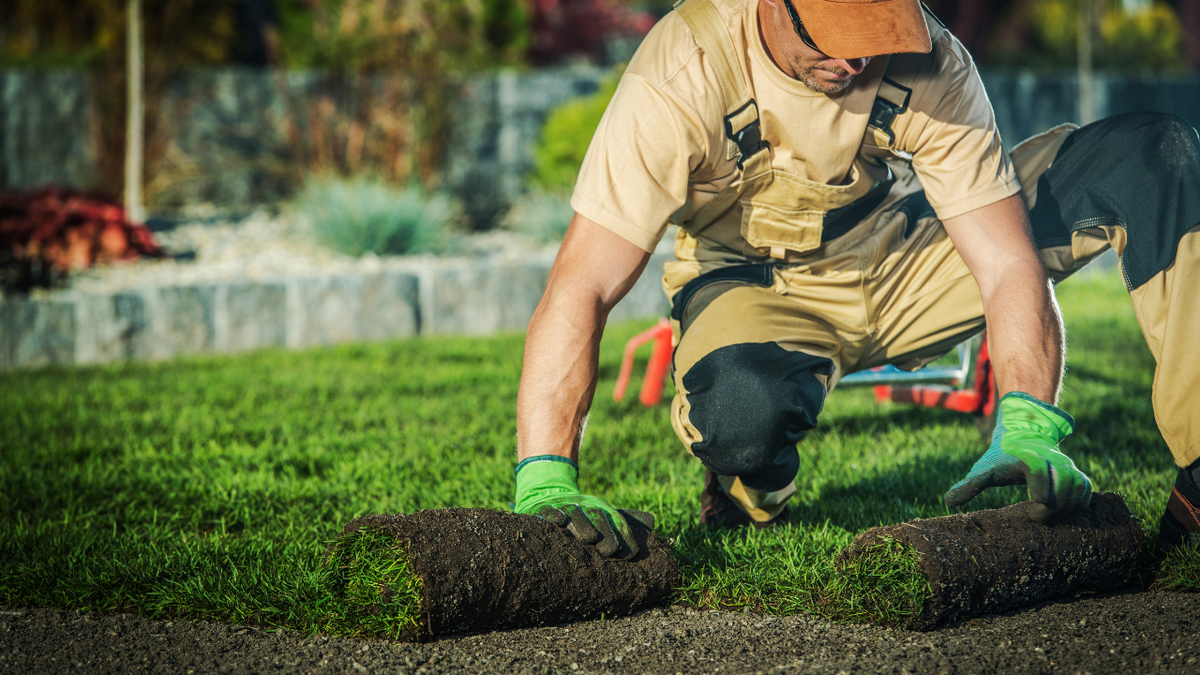
Regular yard maintenance isn’t just about appearance—it also protects your home.
During warmer months, spend time each month:
Allowing debris or overgrown plants to build up can attract pests and, in some cases, increase fire risks. Keeping outdoor spaces tidy helps protect your property and improves curb appeal.

Monthly kitchen maintenance should include:
Routine attention helps appliances last longer and reduces the chance of unexpected breakdowns.

Bathrooms and other humid spaces are especially vulnerable to mold and mildew if not maintained regularly.
Each month, take time to:
Early detection of moisture issues can prevent mold growth and costly water damage.
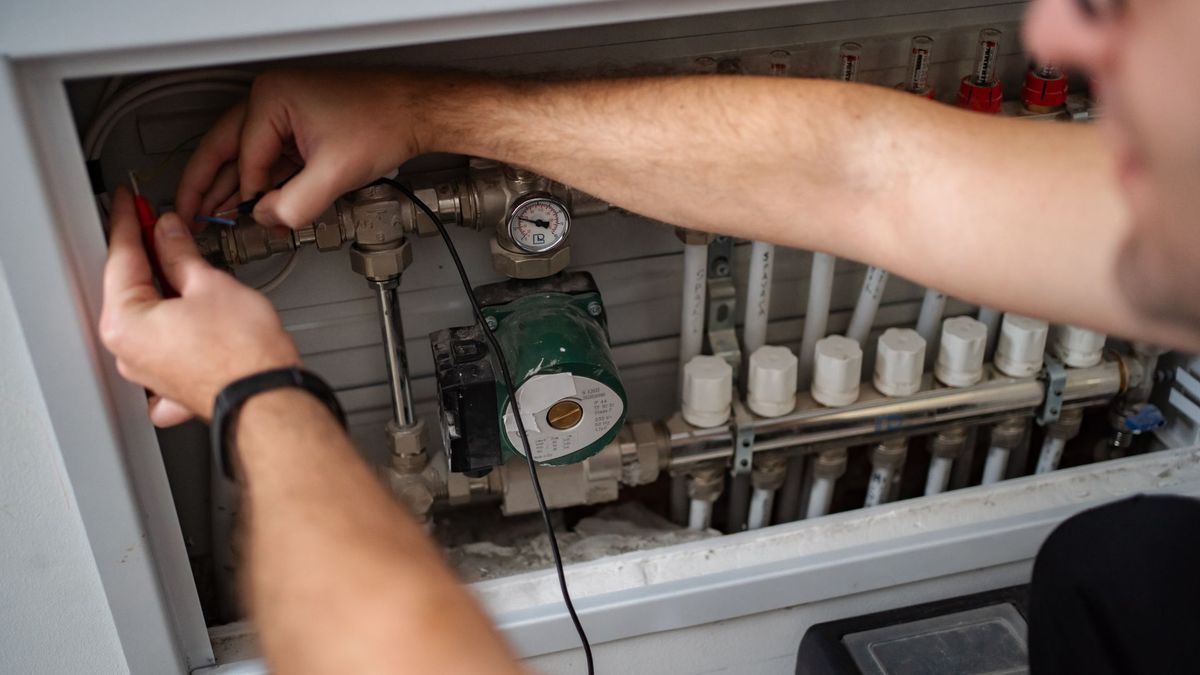
Even when everything seems to be working normally, it's wise to keep an eye on your home’s major systems.
Monthly system checks may include:
Seasonal preparation also plays an important role. For example, outdoor water sources should be prepared ahead of colder months to reduce the risk of freezing damage.
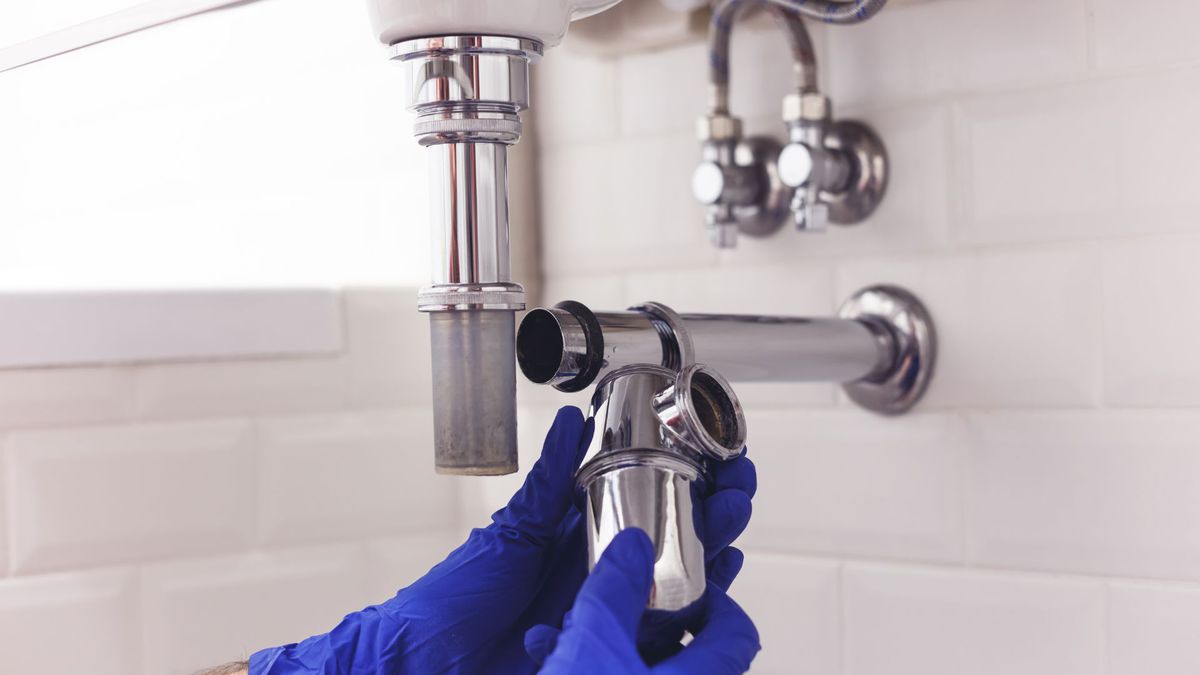
Plumbing problems can start small but grow quickly if ignored.
During your monthly inspection, look for:
Addressing minor plumbing concerns early can prevent water damage and reduce utility costs.
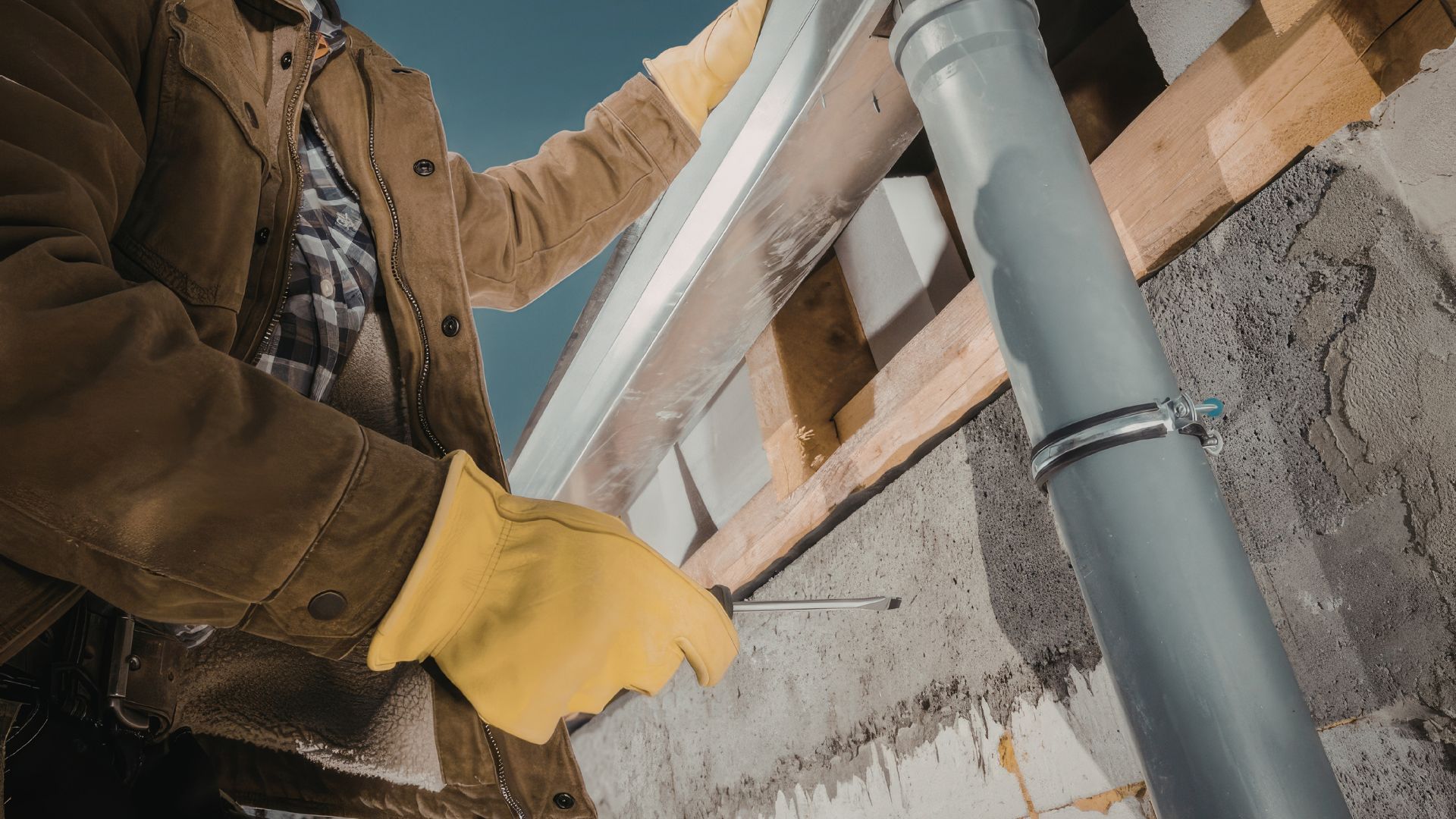
Gutters play an important role in protecting your home from water damage by directing rainwater away from the structure.
Check your gutters monthly for:
This task becomes especially important during fall when leaves accumulate quickly, but it’s still helpful to check periodically throughout the year.
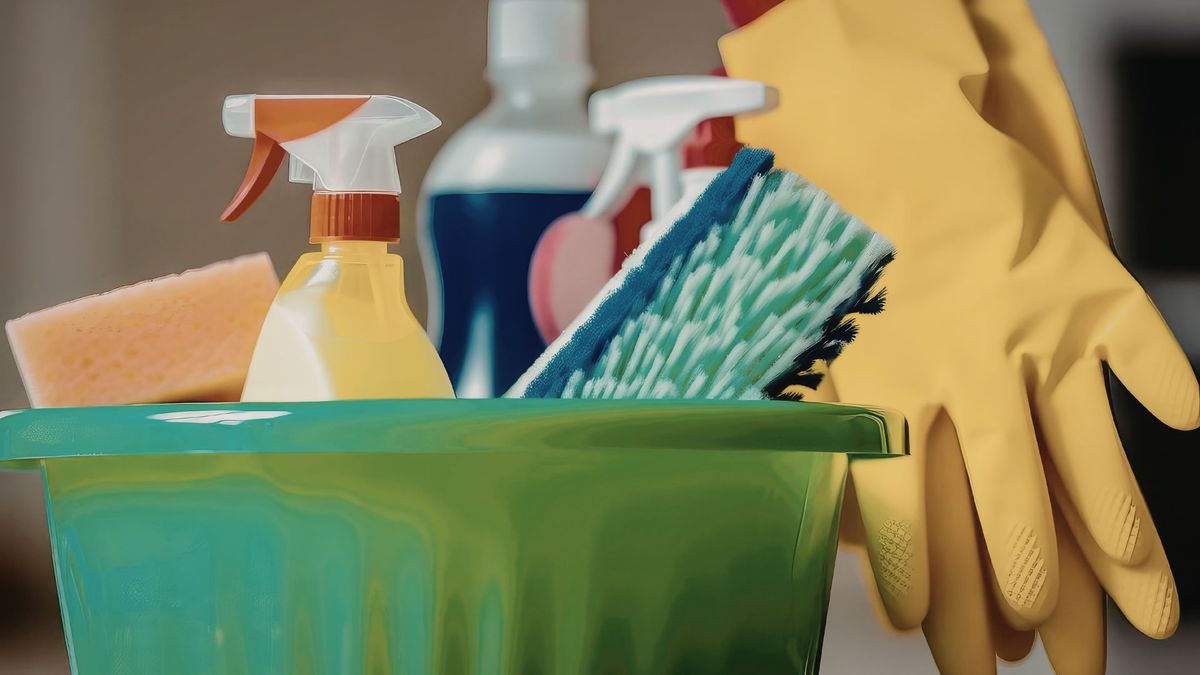
Running out of essential supplies can interrupt your home maintenance routine—especially during unexpected situations.
Make it a habit to:
Prepared households are better equipped to handle emergencies and routine cleaning tasks alike.
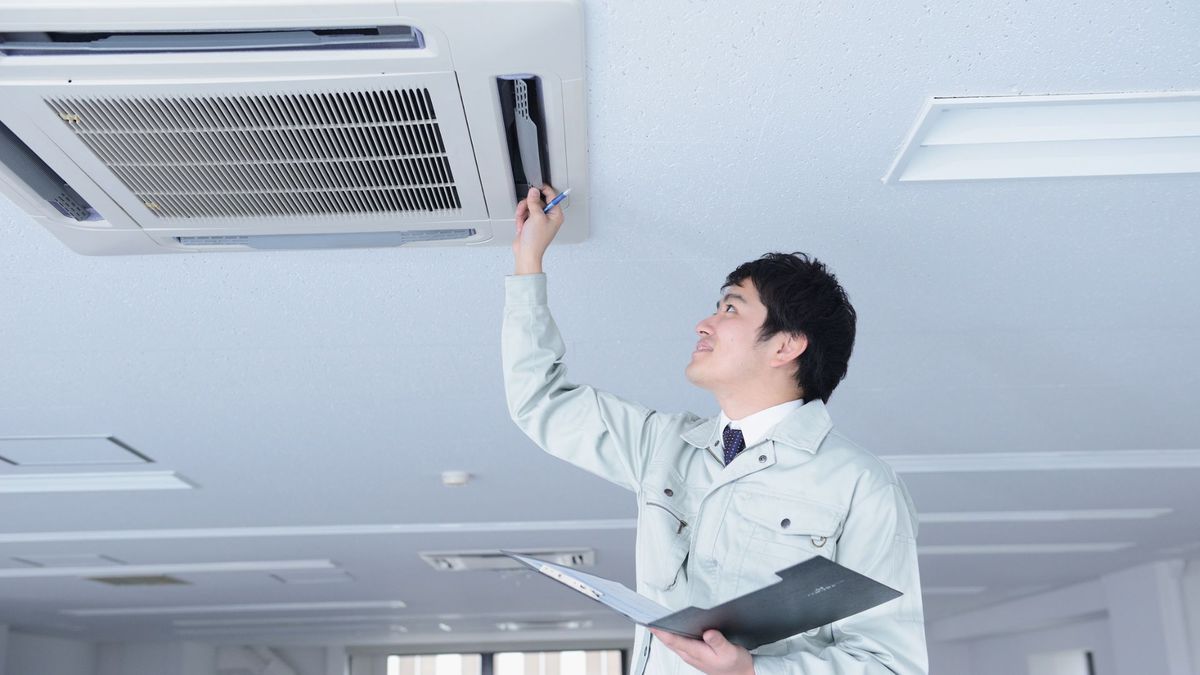
Some areas of the home are easy to forget because they aren’t used often.
Each month, take a walk-through of spaces such as:
Look for signs of:
Also, check outdoor features like large trees for signs of damage or decay, and confirm that garage doors and openers are functioning properly.
Keeping an up-to-date record of your belongings is helpful if you ever need to file an insurance claim.
Whenever you:
Make sure to:
Maintaining accurate records ensures better protection and smoother insurance processes if something unexpected occurs.
Regular home maintenance doesn’t just keep your home looking good—it helps prevent expensive repairs and unexpected problems.
Small monthly checks can:
Being consistent with routine tasks is one of the smartest ways to protect your investment.
Home maintenance doesn’t have to feel overwhelming when it’s broken into manageable monthly tasks. By checking safety systems, monitoring plumbing, maintaining appliances, and inspecting less-used areas, you can catch problems early and keep your home running smoothly.
A little effort each month can save you time, money, and stress while helping your home stay safe, efficient, and comfortable for years to come.

Jason has been selling Real Estate with RealtySource since 2006! Jason began taking his Real Estate courses while completing his B.A. in Law at Carleton University. His understanding of contract law ....
Real estate is local and that's never been more true than it is today.While national headlines can provide a snapshot of Canada's housing market, they rarely tell the full story of what's happening
There’s something about summer that makes you want to step outside, even if “outside” is a 60-square-foot balcony with a plastic chair and a dying succulent. The good news? That
For several years, buying a home in Ontario felt like a race against the clock.Homes often sold within days sometimes within hours. Buyers faced multiple offers, bidding wars, and enormous pressure
Your home's gutters may not be the most noticeable feature, but they're one of the most important parts of your home's defense against water damage.When gutters become clogged with leaves, twigs,

The listing data displayed is deemed reliable but is not guaranteed accurate by CREA®. Data last updated on September 23, 2026 9:17 AM UTC The trademarks REALTOR®, REALTORS®; and the REALTOR® logo are controlled by The Canadian Real Estate Association (CREA®) and identify real estate professionals who are members of CREA®. Used under license. The trademarks MLS®, Multiple Listing Service® and the associated logos are owned by The Canadian Real Estate Association (CREA®) and identify the quality of services provided by real estate professionals who are members of CREA®. Used under license.
Show More...
 Data provided by the Ontario Regional Technology & Information Systems. The information is deemed reliable, but is not guaranteed. Not intended to solicit buyers or sellers, landlords or tenants currently under contract.
The trademarks REALTOR®, REALTORS® and the REALTOR® logo are controlled by The Canadian Real Estate Association (CREA) and identify real estate professionals who are members of CREA. The trademarks MLS®, Multiple Listing Service® and the associated logos are owned
by CREA and identify the quality of services provided by real estate professionals who are members of CREA. Used under license.
REALTOR® contact information provided to facilitate inquiries from consumers interested in Real Estate services. Please do not contact the website owner with unsolicited commercial offers.
Show More...
Data provided by the Ontario Regional Technology & Information Systems. The information is deemed reliable, but is not guaranteed. Not intended to solicit buyers or sellers, landlords or tenants currently under contract.
The trademarks REALTOR®, REALTORS® and the REALTOR® logo are controlled by The Canadian Real Estate Association (CREA) and identify real estate professionals who are members of CREA. The trademarks MLS®, Multiple Listing Service® and the associated logos are owned
by CREA and identify the quality of services provided by real estate professionals who are members of CREA. Used under license.
REALTOR® contact information provided to facilitate inquiries from consumers interested in Real Estate services. Please do not contact the website owner with unsolicited commercial offers.
Show More...