Real estate is local and that's never been more true than it is today.While national headlines can provide a snapshot of Canada's housing market, they rarely tell the full story of what's happening

Dated: January 22 2026
Views: 34
Homes are no longer viewed simply as places to eat and sleep. For homeowners, buyers, sellers, and investors alike, 2026 is shaping up to be a year where how a home feels matters just as much as how it looks or what it’s worth on paper. After years of fast-paced living and highly stylized interiors, people are gravitating toward homes that support daily comfort, emotional balance, and long-term livability.
Rather than chasing short-lived trends, today’s design direction emphasizes warmth, adaptability, wellness, and authenticity. Interiors are becoming more personal, more nature-driven, and more intentional. This shift isn’t limited to luxury renovations either; many of the most impactful changes can be achieved through thoughtful, affordable upgrades.
Below, we explore the key home design and interior trends influencing 2026, along with practical insights on how they affect lifestyle, resale appeal, and investment value and how to apply them without overspending.
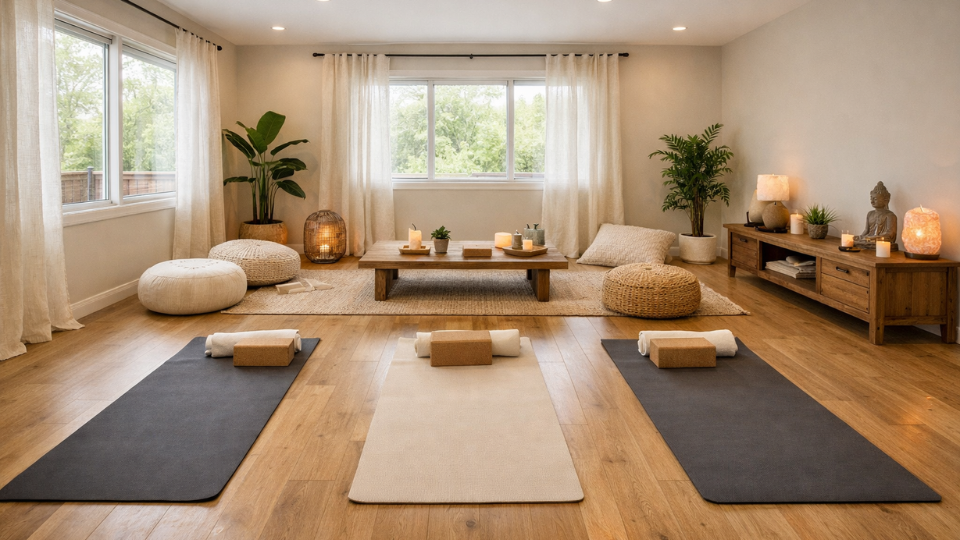
Wellness has evolved from a buzzword into a design priority. In 2026, homes are being shaped around the idea that daily routines morning showers, evening wind-downs, work-from-home hours should actively support mental and physical well-being.
This doesn’t mean every home needs a yoga studio or spa bathroom. Instead, it’s about reducing friction and stress in everyday living. Thoughtful lighting, intuitive layouts, quieter appliances, and comfortable seating all contribute to a sense of ease.
Why it matters for homeowners and buyers:
Homes that feel calming and intuitive are more enjoyable to live in and more attractive to future buyers. A well-designed, soothing environment often leaves a stronger impression than flashy finishes.
Practical takeaway:
Create at least one area in your home dedicated to slowing down. This could be a reading nook, a meditation corner, or even a bedroom refresh with softer lighting and clutter-free surfaces. Small changes like replacing harsh overhead lights with layered lighting can significantly improve daily comfort.
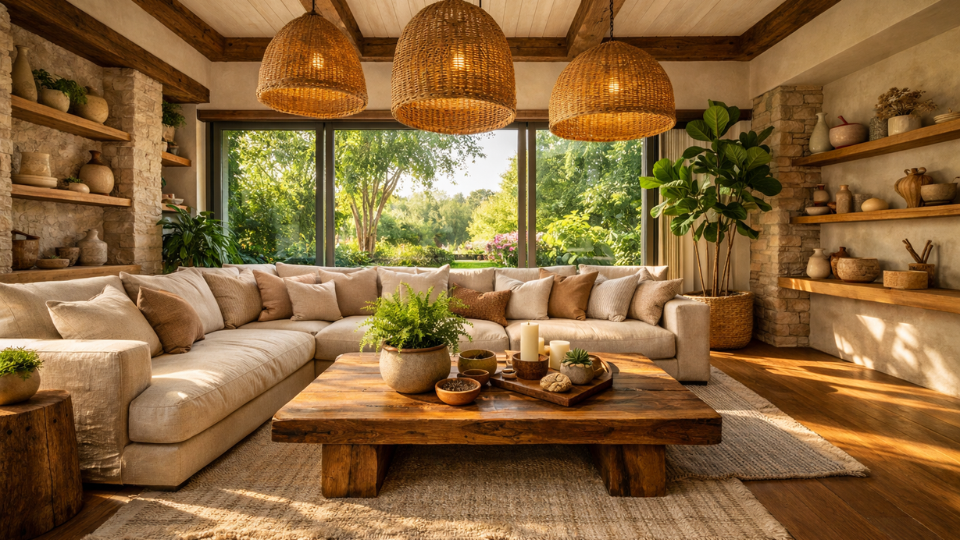
Design rooted in nature continues to grow in popularity, and for good reason. Organic materials and natural elements help interiors feel grounded, balanced, and timeless.
In 2026, this approach goes beyond simply adding a plant or two. Homeowners are prioritizing materials that echo the outdoors wood grains, stone textures, clay finishes, and natural fabrics while maximizing daylight wherever possible.
Why it matters for investors and sellers:
Biophilic design has broad appeal. Homes that incorporate natural elements tend to photograph better, feel warmer during showings, and attract buyers seeking lifestyle-driven spaces.
Practical takeaway:
If structural changes aren’t possible, focus on surface-level updates. Linen curtains that allow light through, wood-accent décor, botanical artwork, or even nature-inspired color palettes can help bridge the gap between indoors and out.
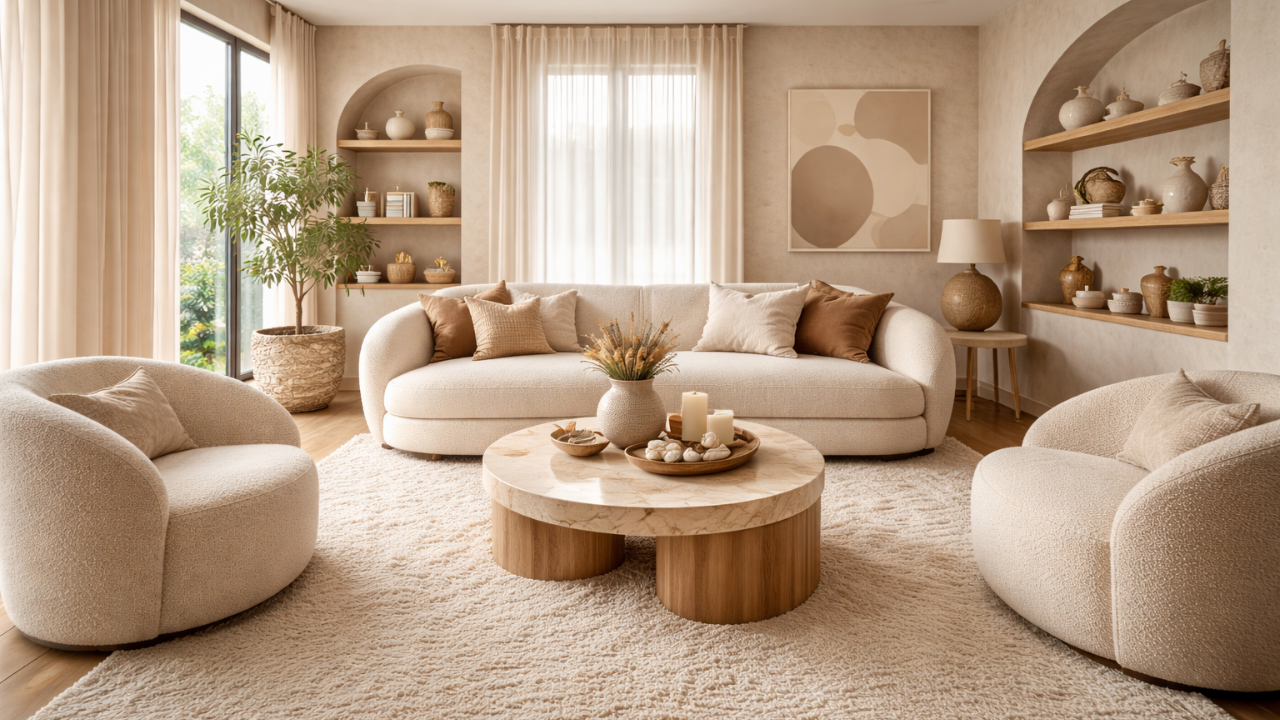
Sharp edges and rigid geometry are giving way to more fluid forms. Curved furniture, arched openings, rounded mirrors, and organic silhouettes are becoming increasingly common in 2026 interiors.
These softer shapes create visual flow and subconsciously make rooms feel more relaxed and inviting. They also complement open-concept layouts by reducing harsh visual breaks between spaces.
Why it matters:
Rounded forms photograph beautifully and soften modern interiors, making them appealing to a wider audience especially buyers who want warmth without sacrificing a contemporary feel.
Practical takeaway:
You don’t need custom millwork to embrace this trend. Round coffee tables, curved lamps, oval mirrors, or even soft-edged textiles can introduce balance and visual interest at a modest cost.
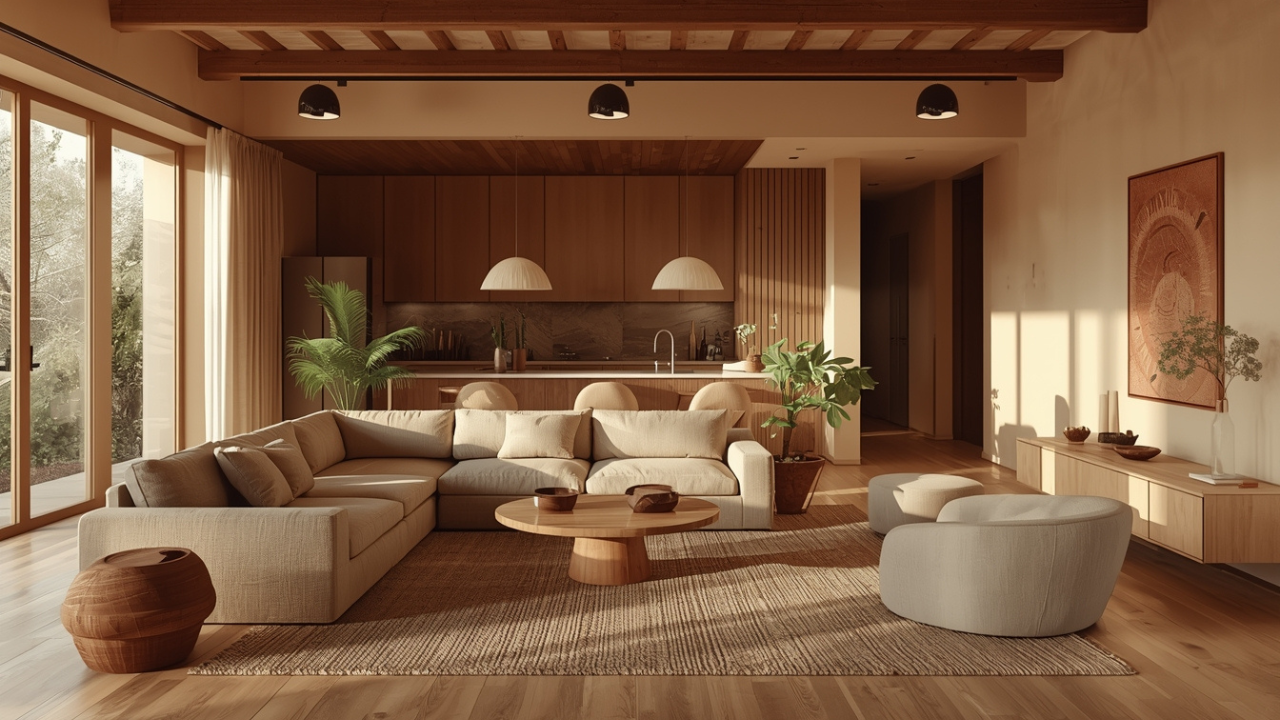
The era of cool greys and stark white interiors is fading. In 2026, warmer neutrals are setting the tone—think soft beige, sand, clay, mushroom, muted greens, and caramel hues.
These colors create a sense of depth while remaining versatile enough to suit both modern and traditional homes. They also work exceptionally well as a backdrop for layered textures and personalized accents.
Why it matters for resale:
Warm neutrals appeal to a broader range of buyers and help spaces feel welcoming rather than clinical. They also age better than trend-driven color schemes.
Practical takeaway:
If repainting isn’t in the budget, introduce warmer tones through accessories: throw pillows, rugs, lampshades, or bedding. Even switching to warm-temperature light bulbs can dramatically shift a room’s atmosphere.
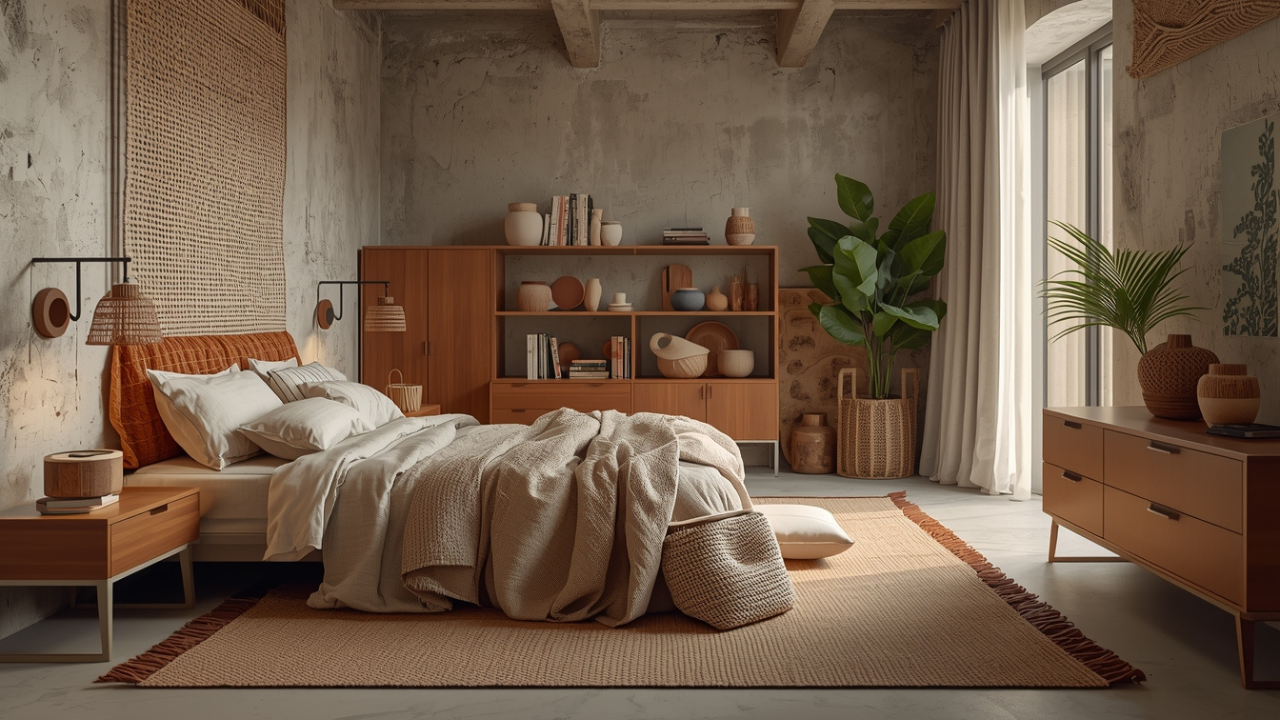
Perfectly smooth, high-gloss finishes are being replaced with materials that show character and depth. Textured walls, woven fabrics, handmade ceramics, and matte finishes are becoming key features in 2026 interiors.
This trend reflects a broader appreciation for craftsmanship and individuality. Homes are starting to feel more curated and less mass-produced.
Why it matters for homeowners:
Textured spaces feel richer and more intentional, even when using simple materials. They also photograph well and add visual interest without relying on bold colors.
Practical takeaway:
Incorporate texture gradually. A chunky knit throw, woven baskets, tactile cushions, or artisanal pottery can instantly elevate a room without a full renovation.
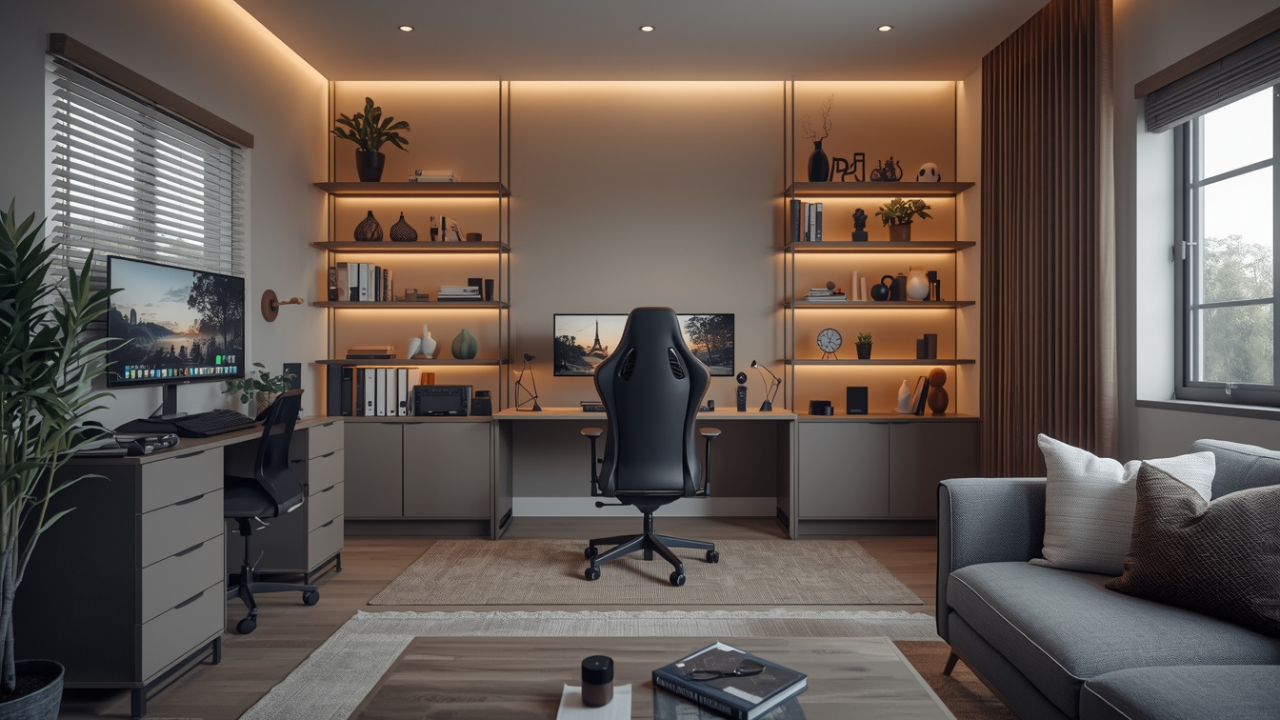
Technology in the home is no longer about flashy gadgets. Instead, 2026 focuses on discreet systems that enhance comfort, efficiency, and wellness without dominating the space.
Lighting that adapts to the time of day, smart thermostats, air-quality monitors, and water-saving fixtures are increasingly common and often expected by buyers.
Why it matters for buyers and investors:
Smart features add perceived value, especially when they’re easy to use and visually unobtrusive. They also support energy efficiency, which is an increasing concern for homeowners.
Practical takeaway:
Start small with smart bulbs or plugs that allow lighting control from a phone. These upgrades are affordable, renter-friendly, and offer immediate lifestyle benefits.
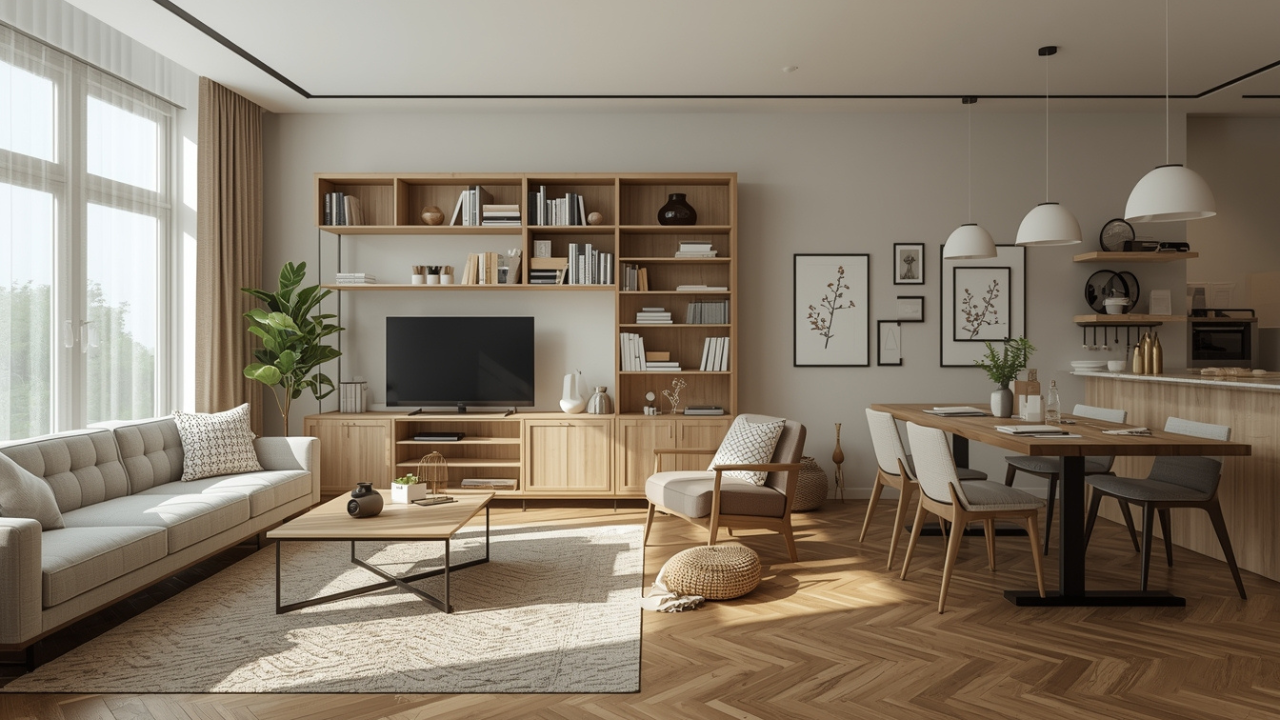
The way people use their homes continues to evolve. In 2026, rooms are designed to serve multiple purposes without feeling cluttered or chaotic.
Kitchens double as social hubs, dining areas become workspaces, and living rooms adapt to changing daily needs. Flexibility is now a design requirement, not a bonus.
Why it matters:
Homes that adapt easily to different lifestyles attract a wider buyer pool and perform better in changing market conditions.
Practical takeaway:
Re-evaluate your layout before renovating. Often, improved furniture placement, vertical storage, or subtle room dividers can dramatically improve flow and usability.
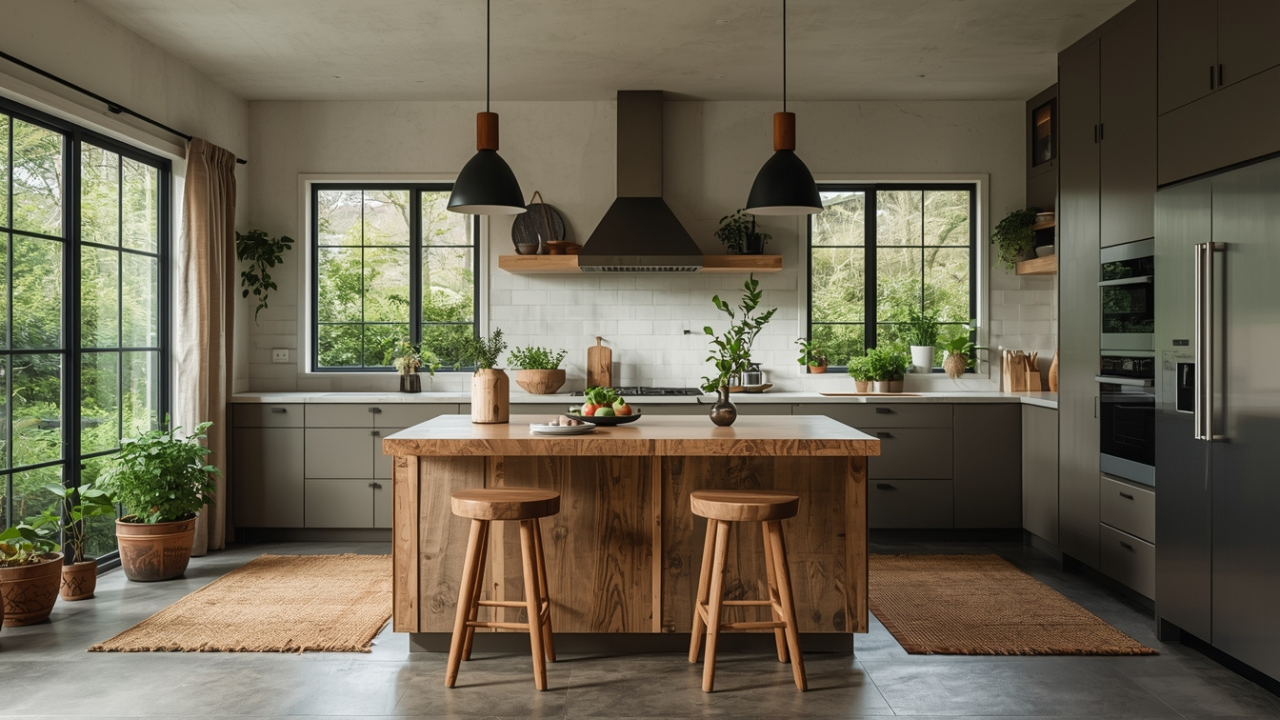
Sustainable living isn’t just about solar panels and major upgrades. In 2026, it’s reflected in smaller, smarter decisions choosing durable materials, reusing furniture, and investing in quality over quantity.
Buyers are increasingly aware of long-term operating costs and environmental impact, making sustainability a value driver rather than a niche preference.
Why it matters for long-term value:
Homes with sustainable features often age better, cost less to maintain, and appeal to environmentally conscious buyers.
Practical takeaway:
Focus on longevity. Replace disposable décor with timeless, durable items. Consider second-hand or refurbished furniture it’s often higher quality and adds character.
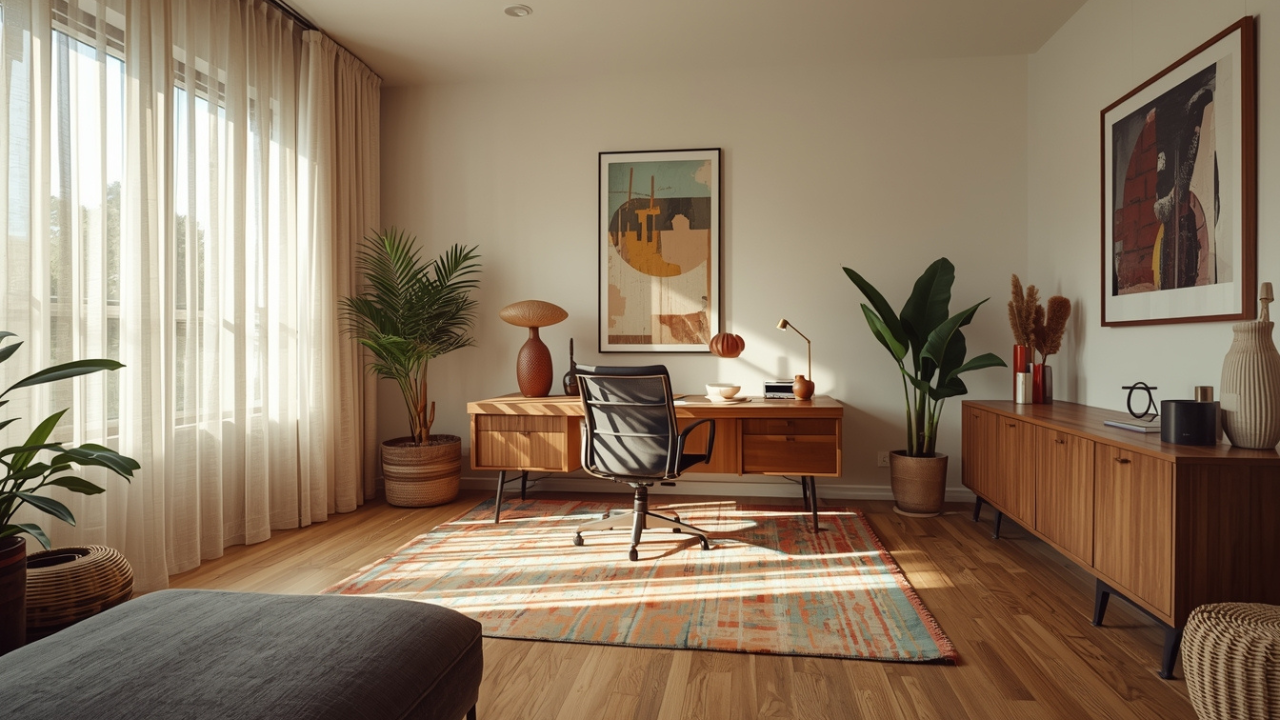
While base palettes are calmer, homeowners are reintroducing personality through bold accents. Artwork, lighting, rugs, and unique décor pieces are being used to tell a story without overwhelming the space.
This approach allows individuality to shine while maintaining overall cohesion.
Why it matters for homeowners:
Personalized spaces feel more satisfying to live in and they can be easily adjusted when preparing a home for sale.
Practical takeaway:
Limit statement pieces to one or two per room. This creates impact without visual clutter. Thrift stores and local artisans are excellent sources for one-of-a-kind finds.
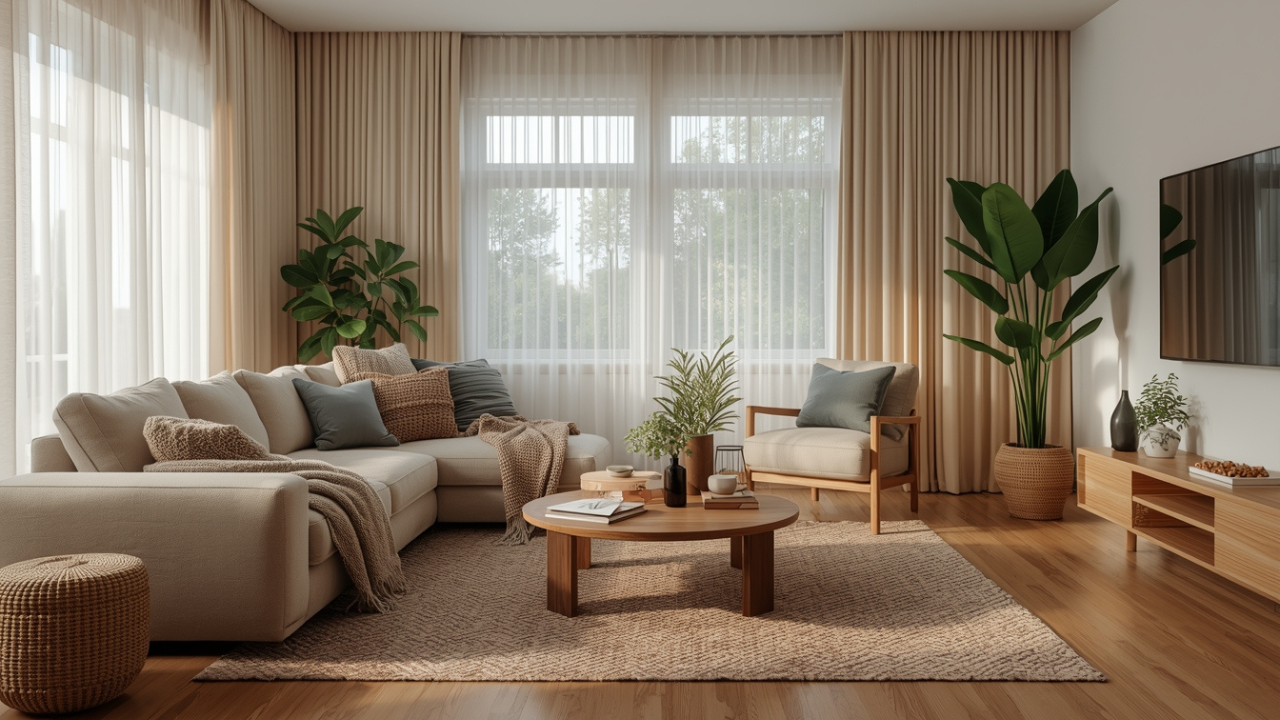
The overarching theme of 2026 interior design is intentional living. Homes are being designed not for trends, but for comfort over time. Soft lighting, layered textiles, and thoughtful layouts encourage people to stay, relax, and connect.
Rather than asking, “Does this look impressive?” homeowners are asking, “Does this support the way I live?”
Why it matters for everyone:
Comfort-driven homes retain value, appeal emotionally to buyers, and stand the test of time far better than trend-heavy designs.
Practical takeaway:
Audit your home room by room. Identify what feels uncomfortable or underused, then make small adjustmentsbetter lighting, more comfortable seating, or warmer textures to improve everyday experience.
The design trends shaping 2026 reflect a deeper cultural shift. Homes are becoming places of restoration, flexibility, and self-expression not just assets or showpieces.
For homeowners, these changes offer a chance to improve quality of life without excessive spending. For buyers, they provide clarity on what features truly matter. And for sellers and investors, understanding these trends can guide smarter updates that resonate with today’s market.
Ultimately, the most valuable homes moving forward won’t be the most minimal or the most extravagant they’ll be the ones that feel thoughtful, comfortable, and genuinely lived in.

Jason has been selling Real Estate with RealtySource since 2006! Jason began taking his Real Estate courses while completing his B.A. in Law at Carleton University. His understanding of contract law ....
Real estate is local and that's never been more true than it is today.While national headlines can provide a snapshot of Canada's housing market, they rarely tell the full story of what's happening
There’s something about summer that makes you want to step outside, even if “outside” is a 60-square-foot balcony with a plastic chair and a dying succulent. The good news? That
For several years, buying a home in Ontario felt like a race against the clock.Homes often sold within days sometimes within hours. Buyers faced multiple offers, bidding wars, and enormous pressure
Your home's gutters may not be the most noticeable feature, but they're one of the most important parts of your home's defense against water damage.When gutters become clogged with leaves, twigs,

The listing data displayed is deemed reliable but is not guaranteed accurate by CREA®. Data last updated on September 23, 2026 9:17 AM UTC The trademarks REALTOR®, REALTORS®; and the REALTOR® logo are controlled by The Canadian Real Estate Association (CREA®) and identify real estate professionals who are members of CREA®. Used under license. The trademarks MLS®, Multiple Listing Service® and the associated logos are owned by The Canadian Real Estate Association (CREA®) and identify the quality of services provided by real estate professionals who are members of CREA®. Used under license.
Show More...
 Data provided by the Ontario Regional Technology & Information Systems. The information is deemed reliable, but is not guaranteed. Not intended to solicit buyers or sellers, landlords or tenants currently under contract.
The trademarks REALTOR®, REALTORS® and the REALTOR® logo are controlled by The Canadian Real Estate Association (CREA) and identify real estate professionals who are members of CREA. The trademarks MLS®, Multiple Listing Service® and the associated logos are owned
by CREA and identify the quality of services provided by real estate professionals who are members of CREA. Used under license.
REALTOR® contact information provided to facilitate inquiries from consumers interested in Real Estate services. Please do not contact the website owner with unsolicited commercial offers.
Show More...
Data provided by the Ontario Regional Technology & Information Systems. The information is deemed reliable, but is not guaranteed. Not intended to solicit buyers or sellers, landlords or tenants currently under contract.
The trademarks REALTOR®, REALTORS® and the REALTOR® logo are controlled by The Canadian Real Estate Association (CREA) and identify real estate professionals who are members of CREA. The trademarks MLS®, Multiple Listing Service® and the associated logos are owned
by CREA and identify the quality of services provided by real estate professionals who are members of CREA. Used under license.
REALTOR® contact information provided to facilitate inquiries from consumers interested in Real Estate services. Please do not contact the website owner with unsolicited commercial offers.
Show More...