Real estate is local and that's never been more true than it is today.While national headlines can provide a snapshot of Canada's housing market, they rarely tell the full story of what's happening

Dated: May 22 2026
Views: 10
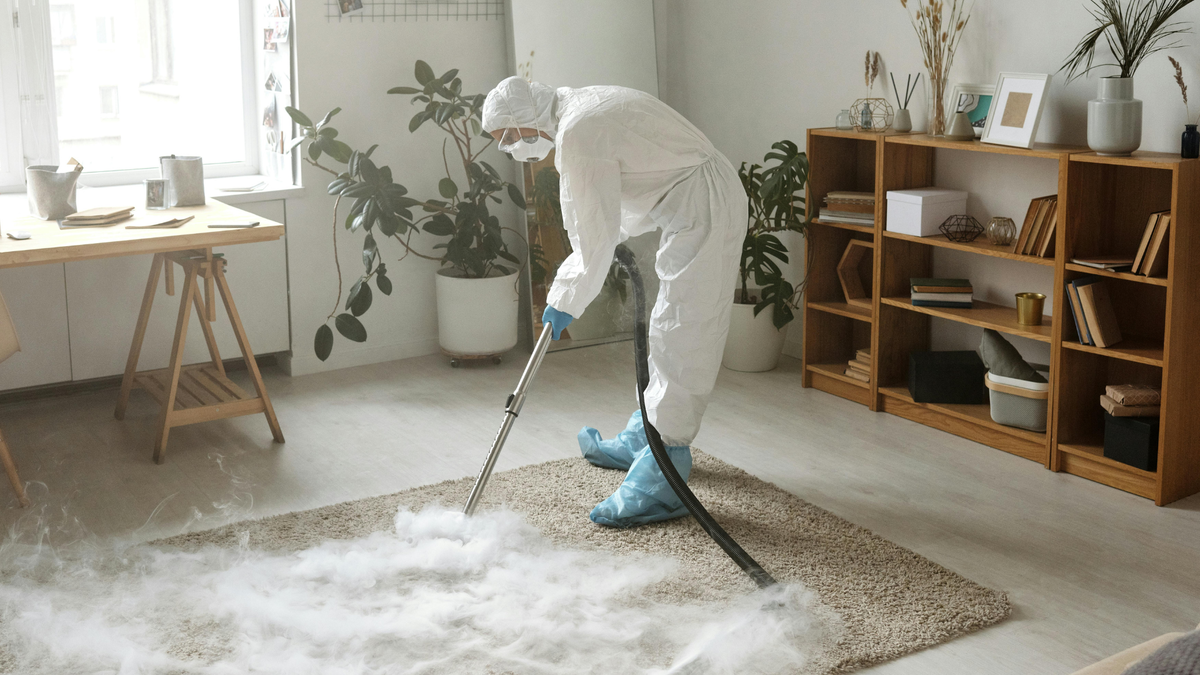
Here’s a fully rewritten version wth a fresh structure and wording while keeping the original meaning and informational value intact:
Canadian homes put their flooring through all kinds of wear and tear throughout the year. Winter often brings in road salt, slush, and moisture from heavy boots, while spring introduces mud, wet paws, and extra debris. Add everyday foot traffic, kids, pets, and spills into the mix, and carpets can quickly start holding onto more dirt than a standard vacuum can remove.
Regular vacuuming helps maintain carpets on the surface level, but it doesn’t always reach what’s buried deep within the fibres. Dust, allergens, pet hair, bacteria, odours, and fine debris can gradually settle below the surface over time. That’s why many homeowners turn to carpet cleaning machines to give their floors a more thorough refresh.
This guide explains how carpet cleaners work, the different types available, and the key features worth considering before choosing the right machine for your home.
Carpets naturally trap particles such as dust mites, allergens, pet dander, and mould spores deep within the fibres. In Canada, this buildup can become worse during colder months when snow, moisture, and road salt are repeatedly tracked indoors. Deep cleaning your carpets once or twice each year may help improve indoor air quality and create a fresher living environment.
Not every carpet cleaner is designed for the same purpose. The best option often depends on the size of your home, the type of messes you deal with, and how frequently you plan to clean.
Upright machines are commonly used for cleaning entire carpeted rooms. They are built to handle larger spaces efficiently and often include attachments for stairs, furniture, and upholstery. For households with multiple carpeted areas, this type is usually the most practical choice.
Portable units are smaller and designed for treating specific messes rather than whole floors. They work well for pet accidents, food spills, stair carpeting, upholstery, and even vehicle interiors. While they are not meant to replace a full-size cleaner, they are convenient for quick cleanups between deep cleaning sessions.
Steam-based machines use heated water to loosen dirt and grime embedded deep in carpet fibres. They are often preferred by households looking for a lower-chemical cleaning option or by people who are sensitive to allergens and airborne irritants.
With so many models available, comparing the right features can make shopping much easier. Here are several things worth paying attention to before making a decision.
Instead of focusing only on motor size or wattage, look at how effectively the cleaner removes moisture and dirt directly from the carpet surface. Strong suction can improve cleaning performance and reduce drying time.
Brushes play an important role in lifting embedded dirt and stubborn stains. Machines with dual brush systems or counter-rotating brushes may provide a deeper clean compared to single-brush models.
Larger tanks allow for longer cleaning sessions without frequent stops to refill clean water or empty dirty water. This can be especially useful for bigger homes or open-concept spaces.
Faster drying times can help prevent lingering dampness and odours. Some models include heated drying technology or airflow systems that help remove excess moisture more efficiently.
For pet owners, cleaners that support enzyme-based formulas or odour-fighting solutions can help tackle accidents and reduce lingering smells more effectively.
Cleaning the machine after use is an important part of ownership. Models with removable brush rolls, wide tank openings, and easy-access components are generally simpler to maintain and dry properly.
Using too much water is one of the biggest mistakes homeowners make when deep cleaning carpets. Oversaturating the fibres can slow drying times and may even encourage mould or mildew growth beneath the carpet padding.
Applying excessive cleaning solution can also create problems. Soap residue left behind in the carpet may attract additional dirt over time, causing carpets to look dirty again more quickly.
Skipping vacuuming beforehand is another common issue. Removing loose debris first allows the carpet cleaner to focus on deep-set dirt instead of surface particles.
It’s also important to wait until carpets are fully dry before moving furniture back into place. Damp fibres can absorb stains or marks from wood finishes, metal legs, or furniture dyes.
Lastly, don’t overlook cleaning the machine itself after every use. Moisture trapped in tanks, hoses, and brushes can lead to unpleasant odours, mildew, or mould buildup if left unattended.

Jason has been selling Real Estate with RealtySource since 2006! Jason began taking his Real Estate courses while completing his B.A. in Law at Carleton University. His understanding of contract law ....
Real estate is local and that's never been more true than it is today.While national headlines can provide a snapshot of Canada's housing market, they rarely tell the full story of what's happening
There’s something about summer that makes you want to step outside, even if “outside” is a 60-square-foot balcony with a plastic chair and a dying succulent. The good news? That
For several years, buying a home in Ontario felt like a race against the clock.Homes often sold within days sometimes within hours. Buyers faced multiple offers, bidding wars, and enormous pressure
Your home's gutters may not be the most noticeable feature, but they're one of the most important parts of your home's defense against water damage.When gutters become clogged with leaves, twigs,

The listing data displayed is deemed reliable but is not guaranteed accurate by CREA®. Data last updated on September 23, 2026 9:17 AM UTC The trademarks REALTOR®, REALTORS®; and the REALTOR® logo are controlled by The Canadian Real Estate Association (CREA®) and identify real estate professionals who are members of CREA®. Used under license. The trademarks MLS®, Multiple Listing Service® and the associated logos are owned by The Canadian Real Estate Association (CREA®) and identify the quality of services provided by real estate professionals who are members of CREA®. Used under license.
Show More...
 Data provided by the Ontario Regional Technology & Information Systems. The information is deemed reliable, but is not guaranteed. Not intended to solicit buyers or sellers, landlords or tenants currently under contract.
The trademarks REALTOR®, REALTORS® and the REALTOR® logo are controlled by The Canadian Real Estate Association (CREA) and identify real estate professionals who are members of CREA. The trademarks MLS®, Multiple Listing Service® and the associated logos are owned
by CREA and identify the quality of services provided by real estate professionals who are members of CREA. Used under license.
REALTOR® contact information provided to facilitate inquiries from consumers interested in Real Estate services. Please do not contact the website owner with unsolicited commercial offers.
Show More...
Data provided by the Ontario Regional Technology & Information Systems. The information is deemed reliable, but is not guaranteed. Not intended to solicit buyers or sellers, landlords or tenants currently under contract.
The trademarks REALTOR®, REALTORS® and the REALTOR® logo are controlled by The Canadian Real Estate Association (CREA) and identify real estate professionals who are members of CREA. The trademarks MLS®, Multiple Listing Service® and the associated logos are owned
by CREA and identify the quality of services provided by real estate professionals who are members of CREA. Used under license.
REALTOR® contact information provided to facilitate inquiries from consumers interested in Real Estate services. Please do not contact the website owner with unsolicited commercial offers.
Show More...